
Affiliate Disclosure: As an Amazon Associate, worldgolfnews.net earns from qualifying purchases. We may receive a small commission at no extra cost to you when you purchase through our links. This helps support our editorial team.
Choosing the best golf putter can significantly impact a player’s performance on the green. In 2026, the top putters combine precision engineering with innovative materials to offer consistency, feel, and forgiveness. The best golf putters of 2026 balance design, technology, and personal fit to help golfers lower their scores effectively.
📊 Compare Prices — Top Golf Retailers
Clicking these links helps support worldgolfnews.net at no extra cost to you.
🏌️ Global Golf (New & Used)
⛳ GOLF Partner
🏆 PGA TOUR Superstore
📦 Amazon

Golfers can find a variety of styles, from traditional blade putters to mallets and zero-torque models, each suited for different stroke preferences. Advances in golf equipment now provide options that enhance alignment and stability, catering to a wide range of skill levels and budgets. Testing and reviews show that putters with superior feel and balance often result in better control and confidence during putting.
Whether a player seeks a classic look, cutting-edge performance, or a forgiving design, the current market offers reliable choices backed by detailed testing. Those looking for the best putters should consider models that have proven their performance through extensive evaluations in 2026. For more on top-performing options, see this guide to the best golf putters 2026.
Top Picks: Best Golf Putters of 2026
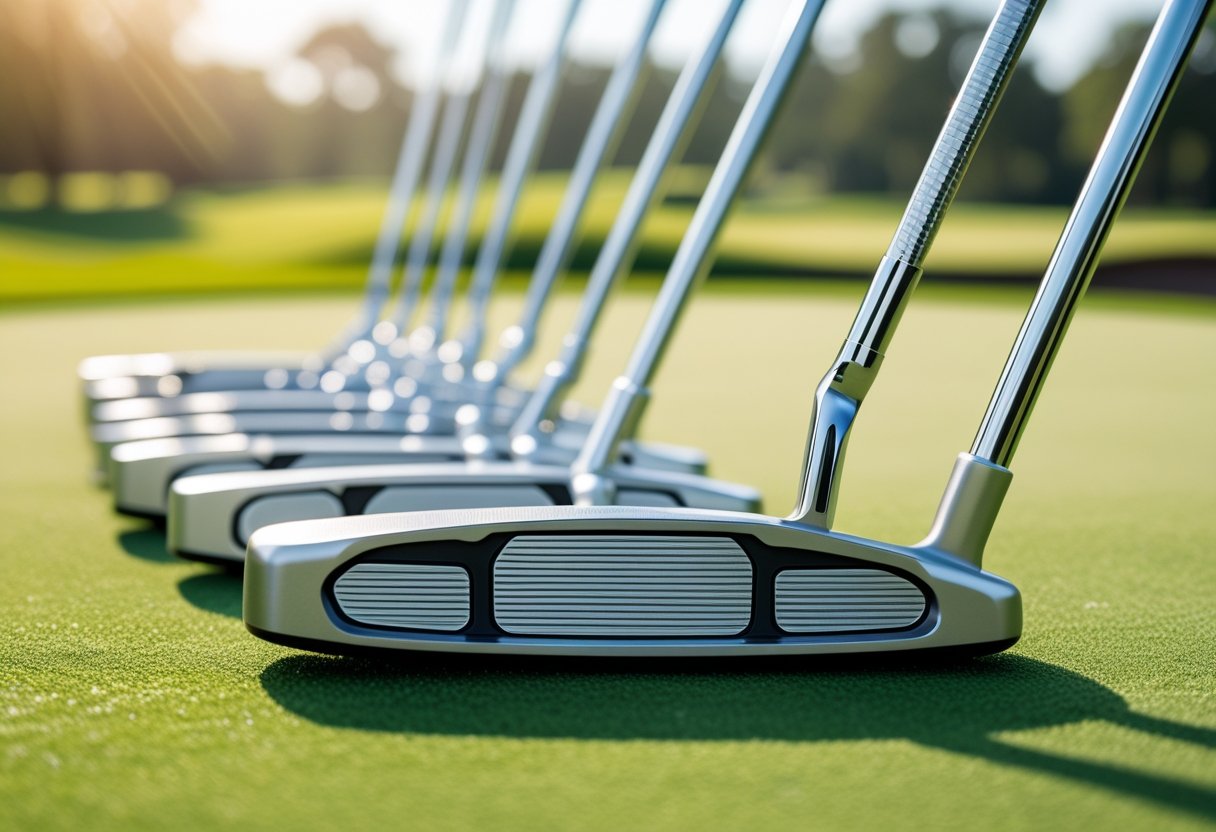
Golfers looking for the best putters in 2026 will find a mix of precision-engineered blade and mallet options. Innovations in materials and face inserts also improve roll consistency and forgiveness. High MOI and zero-torque models enhance stability and control for a wider range of stroke styles.
Best Blade Putters Reviewed
Blade putters remain favored for their classic look and precision control. The Scotty Cameron Studio Style stands out as the best blade putter overall, featuring a royal rose PVD finish and a studio carbon steel face insert for consistent roll and soft feel.
Other top blade putters include the Ping PLD Milled, which offers superior milling precision for better alignment and roll. The Titleist Scotty Cameron line continues to deliver consistent performance with multiple head shapes and high-quality insert options.
Blade putters emphasize stroke feedback and traditional aesthetics, appealing to players who prioritize distance control on smoother greens. Their smaller head size requires skill but offers exceptional accuracy when struck well.
Best Mallet Putters of the Year
Mallet putters dominate for forgiveness and stability, making them popular in 2026. The Taylormade Spider Tour and Spider ZT models provide high MOI designs with strategically placed weights to reduce twisting on off-center hits.
The Odyssey AI-One Square 2 Square mallet puts a premium on alignment, featuring innovative inserts and perimeter weighting to improve consistency. The Bat Attack ZT adds a unique zero-torque shaft to further stabilize the stroke.
Mallet putters balance forgiveness with a wide sweet spot, benefiting players who want easy alignment and consistent speed. The combination of modern inserts and weight distribution enhances both feel and distance control.
Most Forgiving and High MOI Putters
Forgiveness has become a defining feature in 2026 putters. Models like the Ping Scottsdale and Cleveland HB Soft 2 focus on high MOI to reduce face twist during off-center hits. These putters maintain pace and direction more reliably on imperfect strokes.
High MOI putters often combine mallet shapes with lightweight materials and advanced inserts to boost roll quality. Forgiving face technology, like the soft inserts found in Cleveland and Odyssey putters, helps to create a smooth, consistent roll across the face.
Players seeking confidence over every stroke benefit from these designs. The wide distribution of mass increases stability without sacrificing distance control, suitable for a range of skill levels.
Zero-Torque and Innovative Designs
Zero-torque putters have gained traction for their shaft engineering to reduce unwanted twisting during the stroke. The Bat Attack ZT highlights this innovation with a shaft designed specifically to improve stroke stability and consistency.
Other cutting-edge designs incorporate advanced face inserts and materials to enhance roll and feel. Technologies like the studio carbon steel face in the Scotty Cameron blades or the AI polymer inserts in Odyssey’s mallets improve performance in real-world conditions.
These putters appeal to golfers who want to combine forgiveness, feel, and technological advancement. They offer a unique blend of stability and precision for players looking to refine their putting stroke with modern solutions.
For more details on top models and their features, visit this detailed guide on the best golf putters of 2026.
Key Technologies and Features in 2026 Putters
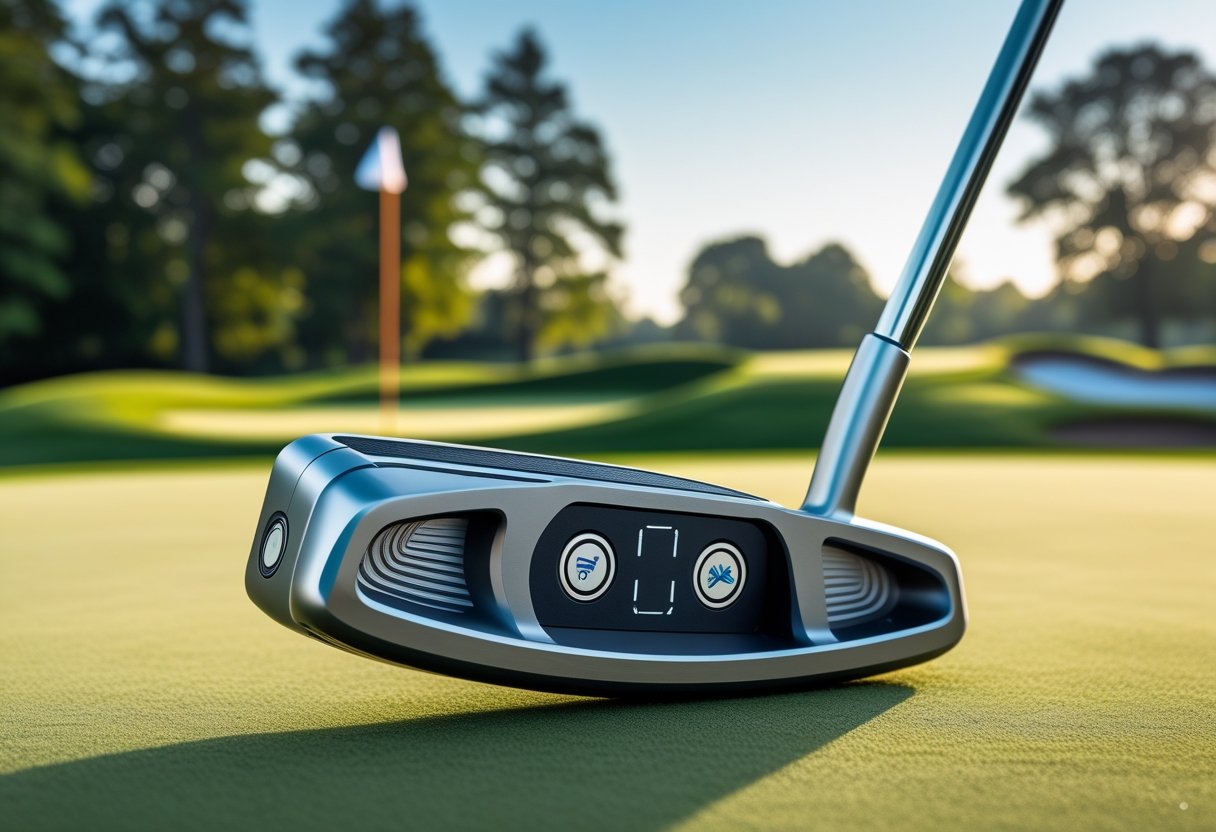
Modern putters in 2026 integrate advanced materials and design elements that enhance roll consistency and alignment accuracy. Innovations focus on generating a pure, forward roll, optimizing weight distribution, and improving grip comfort to help golfers control distance reliably.
Face Milling and Inserts
Face milling technology continues to refine how putters interact with the golf ball. Precise milling patterns on the face promote a consistent roll by reducing skidding and promoting an immediate forward roll upon impact. Several models use studio carbon steel face inserts, which combine softness with durability to enhance feel without sacrificing performance.
Pure roll inserts, such as the popular White Hot insert, remain favored for their ability to maintain speed control while producing a smooth roll. These inserts help maintain distance consistency, crucial when putting on fast or uneven greens. The focus is on minimizing skidding, enabling players to trust their stroke and speed.
Alignment Aids and Systems
Alignment is critical for improved accuracy, and 2026 putters employ visual guides that simplify line-up. The True Path alignment system is among the leading technologies, designed to create a clear, confident sightline to the target. These systems often use bold lines or contrasting colors to deliver instant feedback on aim.
Some putters include markings that assist with toe hang and lie angle balance, helping golfers optimize setup and stroke path. Players can select putters labeled as the best putter for alignment to match their specific visual preferences and alignment needs, minimizing guesswork during crucial moments.
Weighting, Balance, and Grip Innovations
Weight distribution innovations in 2026 putters revolve around perimeter weighting and forward weighting to enhance stability and control through the stroke. Perimeter weighting increases forgiveness on off-center hits, while forward weighting can improve feel for golfers favoring a more active push-pull motion.
Grip design also advances with oversized grips becoming more common. These grips reduce wrist breakdown to support a smoother, more consistent stroke. Additionally, putter length options and adjustable weighting allow players to fine-tune balance for their specific stance and stroke type, increasing comfort and effectiveness on the greens.
Choosing the Right Putter for Your Game
Selecting the right putter involves matching equipment to individual playing styles and preferences. Factors like fitting, stroke type, and club design greatly influence accuracy and consistency on the greens. Understanding these helps players make informed decisions based on their unique needs.
Putter Fitting and Stroke Type
Putter fitting is essential for optimizing performance. During a fitting, factors such as length, lie angle, and grip size are adjusted to match the player’s stance and putting stroke. This process ensures the putter feels natural and improves control.
Stroke types generally fall into two categories: straight-back-straight-through and arced strokes. Players with a straight stroke benefit from face-balanced putters, which keep the clubface square during the stroke. Those with an arced stroke often perform better with a toe-hang putter, which allows the clubface to open and close naturally.
Proper fitting can reduce missed putts by improving alignment and stroke path. Most major manufacturers offer specialized fitting sessions that help identify the optimal putter model for an individual’s stroke type and posture.
Understanding Toe Hang and Hosel Types
Toe hang refers to the angle of the putter head when the shaft is balanced on a finger. It directly affects how the putter rotates during the stroke and is key in matching a putter to the player’s natural stroke arc.
Putter heads with little to no toe hang (face-balanced) suit players with a straight-back-straight-through stroke. These putters reduce unwanted face rotation. More toe hang means the putter’s toe drops, ideal for those with an arced putting stroke needing more natural face closure.
The hosel design also influences feel and toe hang. Common hosel types include:
- Plumber’s neck: Offers moderate toe hang and a traditional look, preferred by many players for its balance and alignment aid.
- Slant or single bend: Provides more toe hang, helping with an arced stroke.
- Double bend: Helps align the face better but typically suits specific stroke paths.
Selecting the right combination of toe hang and hosel style improves consistency in face angle and stroke repeatability.
Customization and Premium Options
Customization allows golfers to personalize putters to fit their preferences and improve performance. Adjustments may include shaft length, grip style, and head weight. Custom grips vary in size and texture to enhance comfort and control.
Premium putters often feature superior materials such as high-grade steel, milled faces, and advanced inserts for feel and feedback. These models may include adjustable weights to fine-tune balance and stability during the stroke.
Many premium brands offer laser engraving, custom finishes, and unique alignment aids. While these features appeal to aesthetics, they can also provide practical benefits like better greens reading or enhanced sightlines.
Players seeking the finest precision can invest in putters tailored from fitting data combined with premium craftsmanship. This approach can contribute to increased confidence and consistency across different green conditions. For detailed options and the latest innovations, players can explore best golf putters 2026 reviews.
Frequently Asked Questions
Choosing the right putter depends on factors like forgiveness, alignment, feel, fit, and brand innovations. Players can find models tailored to specific stroke types and preferences, with various shapes and specifications to enhance performance.
Which putters offer the most forgiveness for high handicappers this year?
Models with larger mallet heads and perimeter weighting provide the greatest forgiveness. These putters help reduce twisting on off-center hits, improving consistency for higher handicappers.
Examples include designs with zero-torque technology that maximize stability, making them ideal for players seeking easier distance control and reduced mishits.
What are the top mallet putters to consider for improved alignment and stability?
Mallet putters with high MOI (moment of inertia) scores stand out for alignment and stability. Features such as alignment aids, wider soles, and balanced weighting promote straighter putts.
Popular choices include those that offer enhanced visual guide rails and a solid feel, which help maintain a consistent stroke path under pressure.
What are the best blade putters for players who prefer more feel and control?
Blade putters deliver a traditional look and direct feedback on impact, favored by players valuing touch. Precision-milled faces and softer inserts enhance the feel of these models.
High-quality blade options combine classic designs with modern performance improvements, suitable for golfers with a smooth, pendulum-like stroke.
How do I choose the right putter head shape and toe hang for my stroke type?
Stroke types generally fall into “straight-back-straight-through” or “arc” categories. Face-balanced putters (with minimal toe hang) suit straight strokes, promoting a square face through impact.
Conversely, putters with moderate to strong toe hang support an arcing stroke by allowing natural face rotation. Selecting based on this alignment can improve accuracy and comfort.
Which putter length, loft, and lie options should I prioritize for a proper fit?
Proper length ensures the golfer’s posture is natural and stable, generally ranging from 33 to 35 inches. Loft between 3° and 4° is standard to lift the ball smoothly off the turf.
Lie angle adjusts to the player’s setup angle to keep the putter’s sole flush with the ground, preventing putts from veering off line. Custom fitting or adjustable options are recommended for best results.
Are any major brands releasing notable new putter models this year?
Leading brands like Scotty Cameron, Odyssey, and TaylorMade have introduced updated lines emphasizing forgiveness, precision milling, and alignment technology.
These releases include blade, mallet, and zero-torque designs, with fresh materials and refined weighting to suit various putting preferences and stroke styles. For detailed model reviews, see best putters tested and compared this year.