
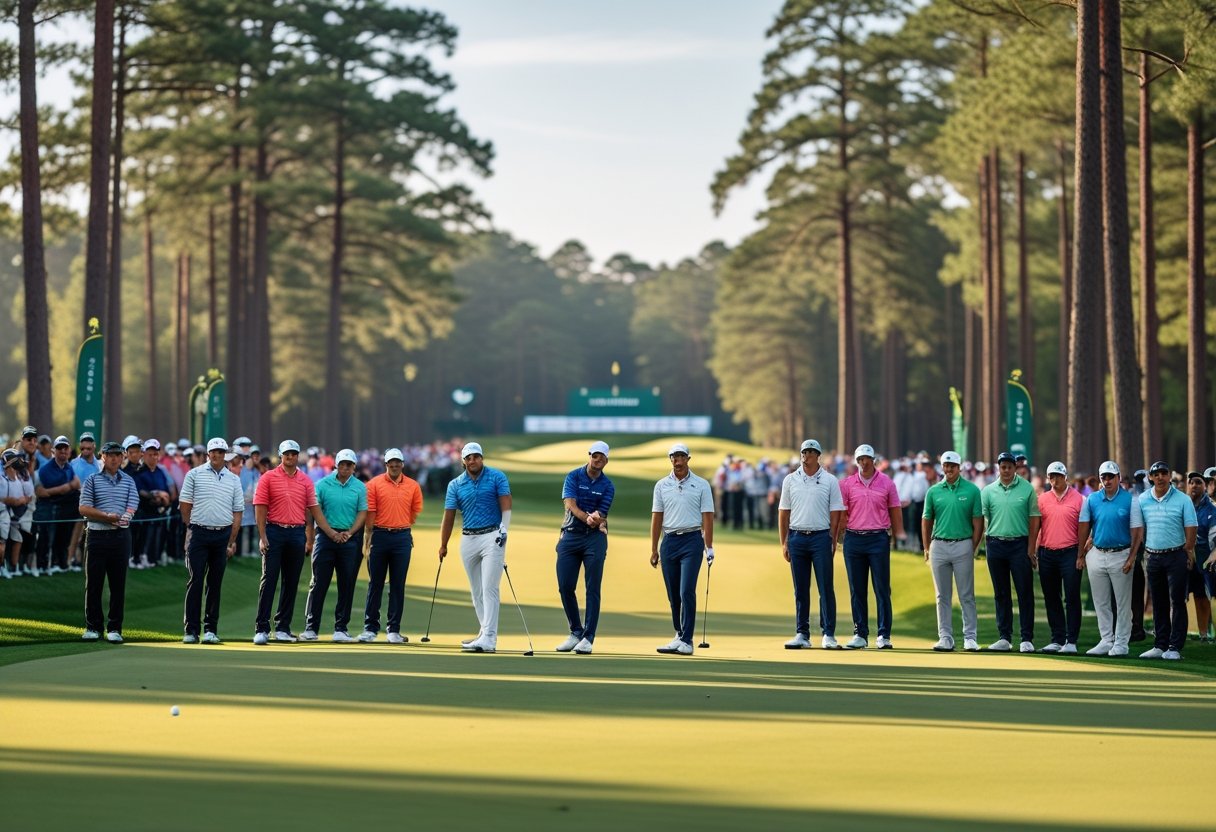
Round 2 at Augusta National reshaped the 2026 Masters and tightened the focus on the weekend race. Firm, fast conditions challenged the field, yet several contenders took control with precise iron play and disciplined putting.
Rory McIlroy built a Masters-record 36-hole lead, separating himself from the field and setting the tone for the weekend. His position atop the Masters-record 36-hole lead shifted the competitive landscape, while others fought to stay within striking distance before the cut.
This recap breaks down the key moments from Friday. It highlights standout performances and examines the numbers that mattered most.
It also looks ahead to moving day and what the contenders must do to stay in the hunt for the green jacket.
Round 2 Highlights
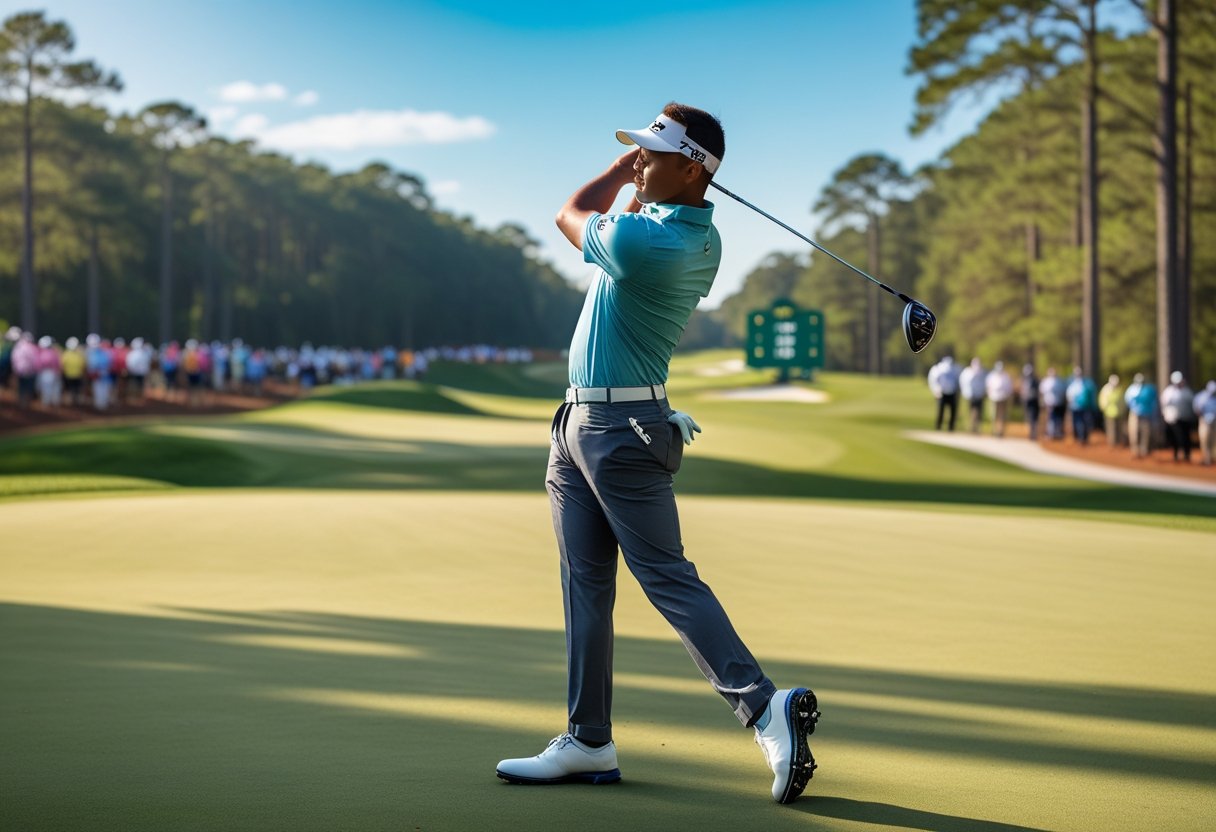
Rory McIlroy seized control of the tournament with a historic scoring run. Several contenders tried to respond, but key swings late in the day widened the gap.
Standout Performances
Rory McIlroy delivered the round that defined Friday at Augusta National. He shot a 7-under 65 to build a six-shot advantage through 36 holes, the largest halfway lead in Masters history, according to this Masters Round 2 recap on Sky Sports.
He attacked par-5s with precision and controlled his irons into firm greens. McIlroy avoided big mistakes and converted key birdie chances inside 15 feet.
Patrick Reed positioned himself as the closest pursuer. He kept his card clean on the back nine and limited bogeys to stay within reach.
Several pre-tournament favorites hovered near the top 10 but failed to match McIlroy’s pace. They will need low rounds on the weekend to apply pressure.
Key Turning Points
The pivotal stretch came midway through the back nine. McIlroy strung together birdies that flipped a narrow margin into a commanding lead.
Earlier in the day, the leaderboard remained tight. A cluster of players sat within two to three shots of the top.
McIlroy changed that with aggressive second shots into par-5s and confident putting under pressure. His ability to convert scoring chances separated him from the field.
As highlighted in the 2026 Masters Round 1 leaderboard recap, he had already positioned himself near the top after Thursday. Round 2 transformed that strong start into clear control.
Late bogeys from a few challengers further widened the gap. The six-shot cushion now forces the field to take risks over the final 36 holes.
Notable Shots and Moments
McIlroy’s approach play stood out throughout the round. He repeatedly hit mid- and long-irons inside makeable range, setting up multiple birdies.
One defining moment came when he attacked a tucked pin on the back nine and left himself a short putt that energized the gallery. That conversion extended his lead and shifted momentum firmly in his favor.
Reed answered with a series of steady pars under pressure. He avoided costly errors around Amen Corner, an area that often reshapes the leaderboard.
The atmosphere grew more intense as the lead stretched. Spectators tracked every McIlroy swing, aware that the tournament could hinge on whether anyone can close the gap before Sunday.
Leaderboard Analysis

Rory McIlroy and Sam Burns set the pace through 36 holes, while several established names pushed into contention. The cut line also shifted late in the round, adding pressure to players hovering around even par.
Movers and Shakers
Rory McIlroy and Sam Burns began Friday tied at 5-under and remained at or near the top of the board as the afternoon wave finished. According to reports on McIlroy and Burns sharing the lead as the Masters cut line shifts, both players handled Augusta’s scoring swings with controlled ball striking and disciplined course management.
The defending champion also positioned himself comfortably inside the projected cut, continuing the steady form noted in the 2026 Masters Round Two recap. He avoided big numbers and capitalized on reachable par 5s.
A cluster of players within three shots of the lead tightened the race. Several mid-morning starters posted under-par rounds that forced the leaders to stay aggressive on the back nine.
Scores Compared to Round 1
Round 2 scoring reflected firmer greens and more exacting pin placements. Players who attacked tucked flags on Thursday often aimed for safer sections of greens on Friday.
McIlroy maintained his position by limiting mistakes rather than chasing birdies. Burns relied on efficient par saves to avoid sliding backward.
The scoring spread widened compared to Round 1. A simplified view of movement among key contenders shows the contrast:
| Player | Round 1 Position | Round 2 Trend |
|---|---|---|
| Rory McIlroy | Tied for lead | Held position with steady play |
| Sam Burns | Tied for lead | Remained in share of lead |
| Defending Champion | Inside top 10 | Improved position with another controlled round |
Several players who opened with even par or 1-over struggled to recover. A single double bogey proved costly as the course demanded precision on approach shots.
Cut Line Impact
The projected cut line tightened late in the day, increasing pressure on players near the threshold. Coverage of the US Masters Day 2 recap highlighted how quickly the number shifted as scores posted in waves.
At one stage, even-par players sat on the edge. A bogey on the closing stretch forced some to wait anxiously in the clubhouse.
The movement affected strategy. Players near the line shifted from attacking to protecting par, especially on holes 16 through 18.
Those who secured weekend tee times did so by minimizing risk rather than chasing birdies, setting up a crowded and competitive leaderboard heading into Saturday.
Top Contenders’ Round 2 Recap
Round 2 tightened the leaderboard and clarified who controls the tournament heading into the weekend. The world’s best separated with disciplined iron play, steady putting, and clean cards under pressure.
Scottie Scheffler
Scheffler kept himself near the top with a composed second round built on precision. He hit a high percentage of greens in regulation and avoided the big number that has derailed others this week.
His approach play inside 15 feet created multiple realistic birdie looks, even if the putter did not heat up for long stretches. According to the Masters 2026 Round 2 leaderboard, Scheffler remained firmly in contention after Friday’s play.
He limited mistakes on Augusta’s demanding par 4s and played the par 5s efficiently, which kept his round steady rather than spectacular. His controlled ball flight into firm greens stood out.
Scheffler’s position heading into the weekend reflects consistency more than momentum. That formula has worked for him in past majors.
Rory McIlroy
McIlroy continued his strong week with another confident performance. He entered Friday near the top after sharing the early lead in Round 1, as detailed in this Round 1 review of McIlroy and Sam Burns’ lead.
In Round 2, he stayed aggressive off the tee while choosing smart targets with his irons. His driving created short approaches into several key holes, and he capitalized with controlled wedges.
Coverage from the US Masters Day 2 recap noted that he remained tied for the lead entering the later stages of Friday. McIlroy’s tempo looked balanced, and he avoided compounding mistakes when he missed greens.
He relied on sharp lag putting to secure stress‑free pars. McIlroy’s position reflects both scoring ability and patience, two traits that matter at Augusta National.
Jon Rahm
Rahm stayed within striking distance by leaning on experience and shot control. He avoided costly errors around Amen Corner and managed the swirling winds with disciplined club selection.
His iron play into the middle of greens limited risk, even when flags tempted aggressive lines. Analysis in the piece on the sweet 16 players who can still win the 2026 Masters identified Rahm as one of the legitimate contenders after Round 1.
His second round did little to change that outlook. He converted key mid‑range putts to maintain momentum.
Rahm did not chase every flag, but he positioned himself for a weekend move with a balanced card and controlled scoring pace.
Weather and Course Conditions
Round 2 unfolded under clear skies and steady sunshine, giving players a consistent test at Augusta National. The lack of wind and firm but fair surfaces shaped scoring patterns across the leaderboard.
Impact on Play
Friday brought what local forecasts described as a sunny and pleasant day ahead, with light winds and comfortable temperatures from morning through late afternoon. Players faced no weather delays and no major shifts in conditions between tee waves.
The stable forecast matched projections for ideal conditions at Augusta National, allowing the course setup to dictate scoring rather than the elements. Fairways remained receptive enough to reward aggressive drives, while greens stayed quick but predictable.
Leaders took advantage. The Masters leaderboard showed Rory McIlroy building a record 36-hole lead, a sign that calm air and consistent speeds favored confident ball strikers.
Players who controlled distance with mid-irons created more realistic birdie chances on the par 5s and shorter par 4s. Those who struggled did so because of execution, not weather swings.
Augusta’s slopes and shaved runoff areas remained the primary defense.
Tournament Adjustments
With no storms in the area and no threat of suspension, tournament officials maintained standard tee times and course preparation. The absence of weather interruptions kept the round on schedule and preserved competitive rhythm.
Greens crews could focus on precision rather than recovery. They maintained tournament speeds without compensating for moisture or gusting winds, keeping hole locations challenging but fair.
Players adjusted strategy accordingly:
- Aggressive tee shots on wider landing areas
- Full-commitment approaches into accessible pins
- Confident putting strokes on consistent surfaces
The steady environment reduced randomness. It placed full emphasis on shot selection, distance control, and discipline around the greens, reinforcing Augusta National’s design as the central test of Round 2.
Surprise Performances
Several players outside the pre-tournament spotlight forced their names onto the leaderboard Friday. Firm greens and rising scoring averages tested even established stars.
Round 2 created movement in both directions.
Emerging Players
Tyrrell Hatton positioned himself firmly in contention with a steady, tee-to-green display. He leaned on controlled iron play and consistent driving, a performance detailed in this report on Hatton’s strong Round 2 at Augusta.
He limited mistakes on the par 5s and avoided the big numbers that defined much of Thursday’s scoring. That discipline kept him within striking distance heading into the weekend.
Further down the board, younger and lesser-known names capitalized on softer morning conditions before winds picked up. Several players improved their position simply by staying patient, taking pars when pins sat near edges, and resisting risky recovery shots around Augusta’s shaved runoffs.
Unexpected Challenges
Augusta National did not ease up in Round 2. The field scoring average of 74.65 on Thursday marked the highest opening-round average at the Masters since 2017, as noted in coverage of Round 1 scoring trends and early leaders, and firm conditions carried into Friday.
Fast greens exposed distance-control issues. Approach shots that landed a few yards long often released into collection areas, forcing delicate chips from tight lies.
Several recognizable contenders hovered near the projected cut line late in the day. Others fell out of position with double bogeys on holes such as the par-4 5th and the par-3 12th, where swirling winds complicated club selection.
Round 2 demanded precision. Players who failed to adjust quickly lost ground.
Key Statistics from Round 2
Firm greens and quick fairways shaped scoring at Augusta National on Friday. The numbers show clear separation between the leaders and the field in approach play and ball control.
Scoring Trends
Rory McIlroy seized control of the tournament with a six-shot advantage, the largest 36-hole lead in Masters history, according to this Round 2 recap. He followed an opening 66 with a 65, reaching 13-under par through two rounds.
Only a small group stayed within realistic striking distance. Several contenders remained under par, but most of the field hovered around even or worse as Augusta’s greens firmed up in the afternoon.
Key scoring notes:
- McIlroy: 65 in Round 2
- 36-hole total: 13-under
- Margin: Six shots clear of the field
Morning starters generally posted lower numbers before the greens became more brittle. By late afternoon, players struggled to hold approach shots on back-nine hole locations.
Greens in Regulation
Approach play separated contenders from the pack. McIlroy consistently found the center portions of greens, setting up mid-range birdie chances and avoiding short-sided misses.
Leaders emphasized conservative targets. They aimed for safe quadrants rather than attacking tucked pins, especially on holes like the par-4 11th and par-4 17th.
Players who missed greens faced delicate chips from tight lies. Augusta’s closely mown runoff areas forced precise trajectory and spin control.
Impact of GIR on leaderboard position:
- High greens-in-regulation rates correlated with under-par rounds.
- Missed greens often led to bogeys due to challenging up-and-downs.
- Front-nine GIR percentages proved critical for building early momentum.
Those outside the top 10 frequently gave away strokes by missing into collection areas, where recovery shots demanded near-perfect execution.
Driving Accuracy
Firm fairways rewarded placement over power. Players who found short grass controlled spin into receptive landing zones on elevated greens.
McIlroy combined length with accuracy, positioning tee shots to attack par-5s in two. Others throttled back to fairway woods or long irons to avoid fairway bunkers and overhanging trees.
Driving accuracy influenced second-shot distance and angle. From the rough, players struggled to generate predictable spin, especially into crosswinds on holes like the 14th and 18th.
Driving takeaways:
- Fairway position directly affected proximity to the hole.
- Missed fairways reduced birdie chances and increased bogey risk.
- Strategic club selection off the tee proved as important as raw distance.
Round 2 Reactions
Rory McIlroy controlled the conversation after building a historic lead, while others focused on staying within reach before the weekend. Players and analysts pointed to Augusta National’s changing conditions as a key factor heading into Round 3.
Player Interviews
Rory McIlroy addressed the media after shooting 65 to build what reports described as a six-shot, 36-hole advantage at Augusta National, a margin highlighted in this Round 2 recap of The Masters 2026. He emphasized patience off the tee and disciplined approach shots into firm greens.
He noted that he avoided short-sided misses and managed par saves efficiently. McIlroy also said he intends to remain aggressive to smart targets rather than protect the lead too early.
Other contenders struck a measured tone. Several players within striking distance said they expect firmer greens and tougher hole locations over the weekend, which could tighten the leaderboard if early leaders stall.
Expert Commentary
Analysts focused on how McIlroy separated himself through approach play and scoring on par 5s. Commentators tracking the US Masters Day 2 recap pointed out that Augusta typically rewards confident iron play when greens firm up late in the week.
They also discussed course setup. Pins tucked near slopes could increase three-putt risk, especially under afternoon winds.
ESPN’s tournament analysis on Rory’s title defense stressed that early-round positioning matters at Augusta because the course rarely yields low scores once pressure builds on Saturday and Sunday. Experts agreed that while a six-shot lead provides margin, one difficult stretch through Amen Corner can quickly reduce it.
Looking Ahead to Round 3
Rory McIlroy carries a record-setting advantage into Saturday, but Augusta National rarely allows a stress-free weekend. The leaders will tee off late, with firm and fast conditions expected to test every part of their games.
Pairings and Tee Times
McIlroy will headline the final pairing after building a six-shot cushion, as detailed in this Round 2 review of Rory McIlroy’s record 36-hole lead. Augusta National traditionally sends leaders out last on Saturday, increasing pressure as roars echo across the property.
He is expected to play alongside his closest pursuer, with contenders such as Scottie Scheffler and other top names stacked just behind. The leaderboard remains dense enough that one low round can shift multiple positions.
Fans can track exact groupings and broadcast windows through the 2026 Masters Round 3 tee times and TV schedule.
Key Saturday details:
- Leaders tee off in the final afternoon wave
- National television and streaming coverage expands compared to early rounds
- Weather and course firmness remain central variables
What to Watch For
McIlroy’s position is strong, but a six-shot lead at Augusta does not eliminate risk. As noted in coverage of his Masters-record 36-hole advantage, he set the pace early and never backed off.
Saturday will test whether he protects the lead or continues to attack. Augusta’s back nine, especially holes 11 through 13, often decides momentum.
A single swing into the water can erase multiple strokes. Chasers must balance patience with urgency.
They cannot afford reckless mistakes, yet they need birdies to close the gap before Sunday.
Critical factors to monitor:
- Approach shots into firm greens
- Par-5 scoring on holes 13 and 15
- Wind shifts late in the day
- Emotional control in the final two groups
Frequently Asked Questions
Rory McIlroy remained near the top of the board after 36 holes, while several veterans and international contenders stayed within striking distance. Friday featured steady scoring, a tightly set cut line, and course conditions that rewarded controlled iron play.
Who held the lead after the second round at Augusta National?
Rory McIlroy sat at or near the top of the leaderboard after two rounds, following up a strong opening day with another composed performance. Coverage from the US Masters: Day 2 recap detailed how he kept pace in a crowded race heading into the weekend.
Justin Rose also stayed in close contention through 36 holes. He leaned on experience and disciplined course management to stay within reach of the lead.
What were the biggest highlights and turning points from Friday’s play?
Several players surged during the middle stretch of the round, especially around Amen Corner, where precise approaches created birdie chances. A few contenders stalled late with missed fairways and difficult recoveries from Augusta’s run-off areas.
Haotong Li delivered one of the day’s more surprising performances, continuing his solid play despite modest expectations entering the week, as noted in coverage of his Friday round at the 2026 Masters.
Justin Rose’s steady rhythm between shots stood out as a key factor in his consistency, a theme highlighted in analysis of Justin Rose’s approach at the 2026 Masters.
Which players made the cut, and where did the cut line finish?
The top 50 players and ties advanced to the weekend, in line with current Masters cut rules. The cut line settled at a score that kept much of the leaderboard tightly packed, leaving little margin between those who advanced and those who missed.
Several established names hovered near the projected number late Friday before securing their spots with steady closing stretches. A few notable players fell just short after late bogeys.
How did the weather and course conditions affect scoring in round two?
Round two played under manageable conditions, with limited wind compared to typical Augusta afternoons. That stability allowed players to attack certain pin positions, particularly on receptive par fives.
Firm, fast greens still demanded precise distance control. Players who controlled spin and trajectory gained a measurable edge on approach shots.
Augusta National’s layout and setup remain central to scoring patterns, as outlined in this guide to the Masters Tournament and Augusta National FAQ.
What were the most notable scorecards and statistical leaders after 36 holes?
McIlroy’s card reflected balance, with birdies spread across both nines and limited damage on the par fours. Rose’s consistency showed in greens in regulation and controlled lag putting.
Several contenders separated themselves on the par fives, playing them in red figures through two rounds. Strong scrambling numbers also defined the top of the leaderboard, especially for players who missed in the correct spots around the greens.
Where can I watch or stream a full round-two recap and key clips?
Fans can find extended highlights and broadcast replays through major sports networks and their digital platforms.
A breakdown of viewing options appears in this guide on how to watch the 2026 Masters on TV and streaming platforms.
The Masters also provides live coverage and featured group streams through its official channels during tournament week.